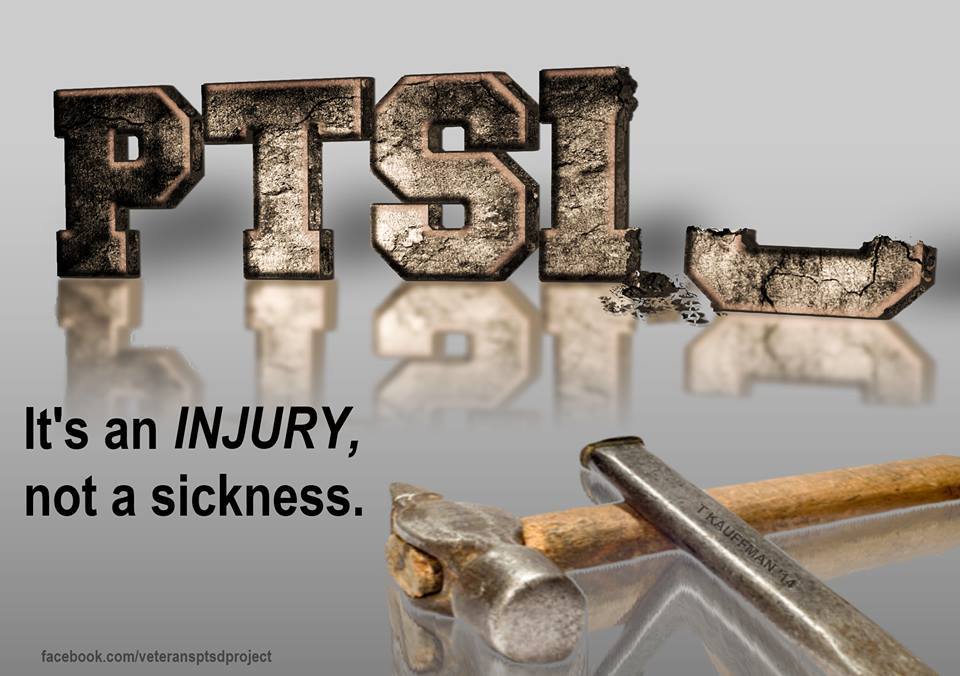
PTSD & Legal Abuse Syndrome (LAS)
When trauma wasn’t an event — it was a system.
PTSD and Legal Abuse Syndrome are not illnesses. They are injury patterns that arise under overwhelming and prolonged pressure, particularly in contexts involving authority, betrayal, and loss of agency.
The resulting symptoms reflect nervous-system adaptation rather than psychological pathology.
This framework shifts the focus from diagnosis to understanding — and from treatment to restoration.
When Life Knocks You Down,
Rise Up Stronger and More Powerful

PHOENIX RISING and THRIVING
Out of the ashes, something new CAN arise
Life can dismantle what once felt stable — through events or systems that arrive uninvited.
Sometimes suddenly. Sometimes over time.
The phoenix reflects what can follow:
not a return to what was, but a re-forming.
Lived Experience, NOT Theory
This work did not emerge from abstraction or academic interest.
It was shaped through prolonged exposure to systemic pressure — including legal abuse, wrongful incarceration, and the collapse of protections assumed to exist.
That experience clarified what destabilizes the nervous system — and what restores coherence.
The approach shared here is the result of rebuilding life from the inside out, after systems failed to do what they promised.
Legal Abuse Is Real
Legal abuse occurs when legal systems or procedures are used to intimidate, control, or financially and psychologically exhaust individuals — often under the appearance of legitimacy.
It commonly appears in prolonged divorce and custody disputes, wrongful termination, elder abuse, probate conflicts, and related proceedings.
Unlike isolated legal conflict, legal abuse is systemic and sustained.
Its impact extends beyond the courtroom, affecting nervous-system regulation, decision-making, health, and long-term stability.
Legal Abuse Syndrome (LAS), a term coined by forensic psychologist Dr. Karin Huffer, describes the predictable psychological and physiological effects of sustained legal abuse.
This framework draws on lived experience, clinical observation, and collaboration at the intersection of law, psychology, and trauma.
From Ashes to Action: The Story Behind the Books
Out of legal abuse and wrongful incarceration came not only personal reconstruction, but documented insight.
The books that follow were written to:
bear witness,
expose systemic patterns,
offer concrete pathways for recovery.
Each reflects a different phase of the journey — from documentation, to understanding, to restoration.
This is not motivational material.
It is a record — and a response.
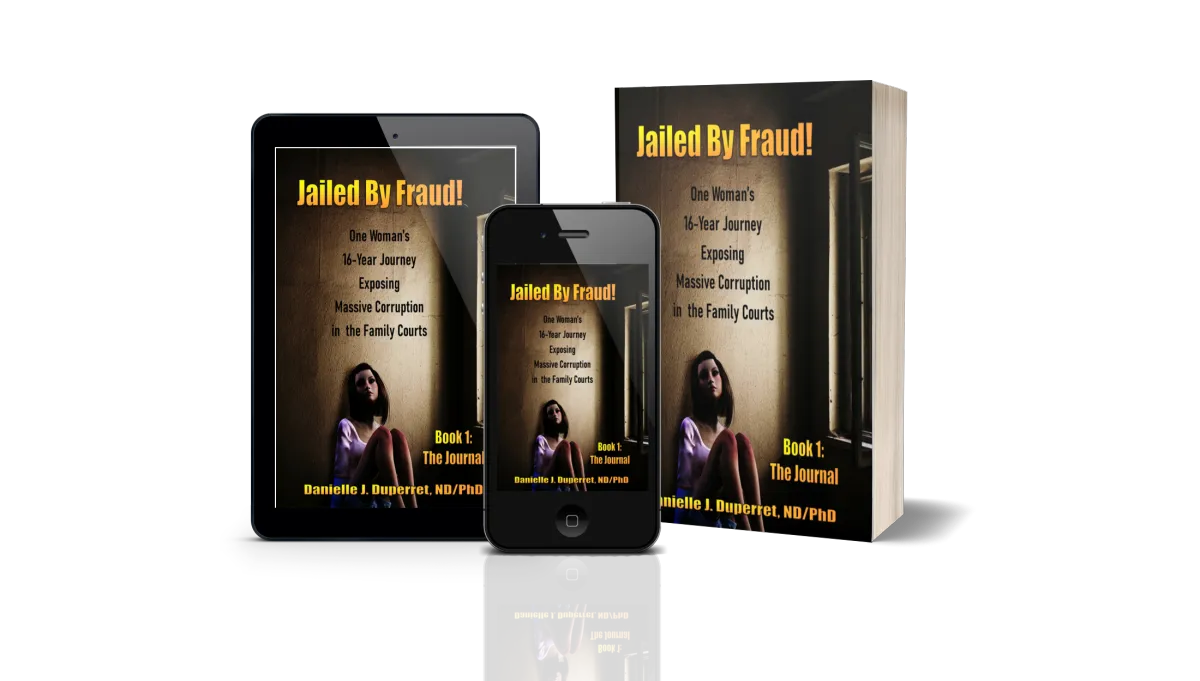

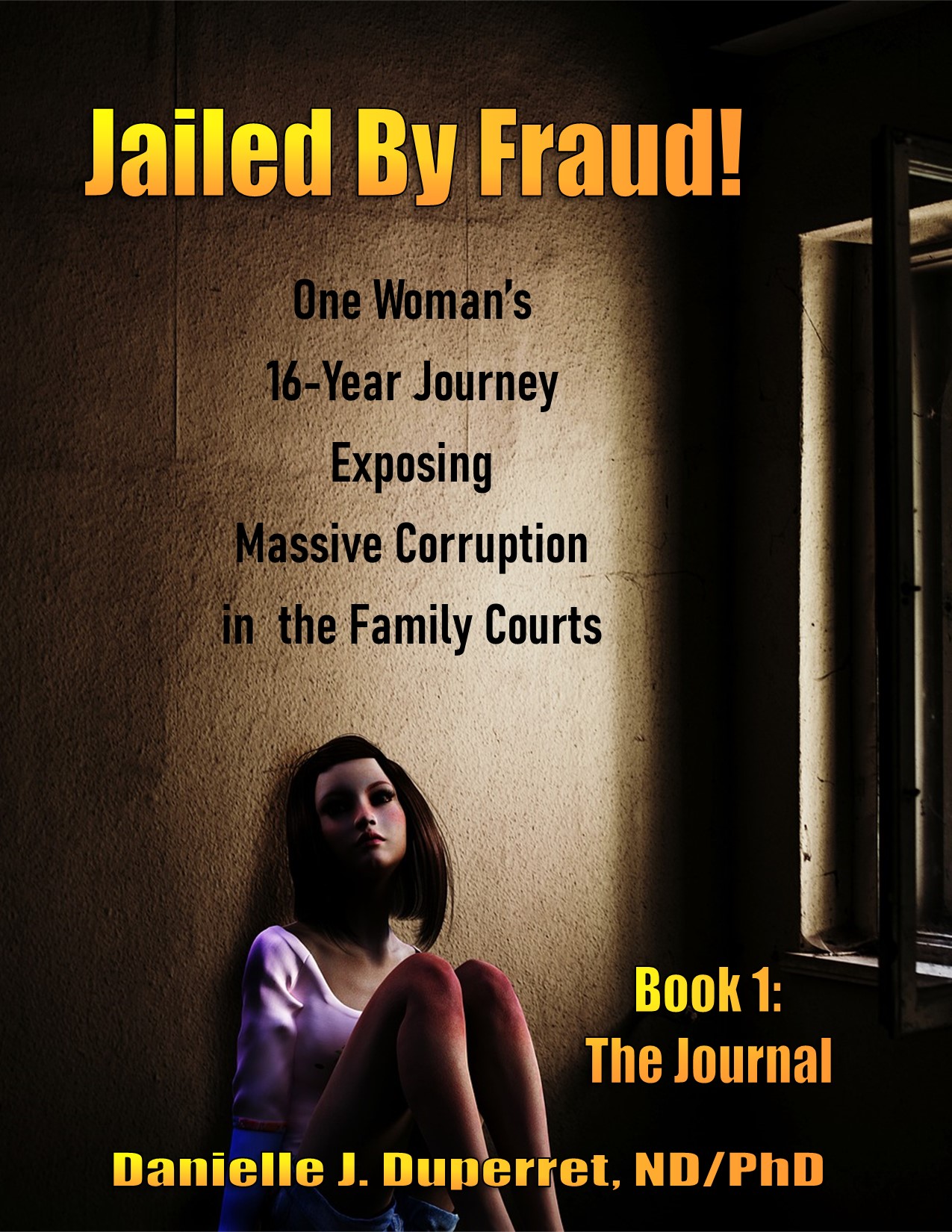
Summary of Book 1 of the Trilogy:
Jailed by Fraud – The Journal
This book records the lived experience of being wrongfully accused and incarcerated for a crime not committed.
Written from inside the system, it traces the emotional, psychological, and relational impact of prolonged legal abuse — on a mother, her children, and the bonds strained under extreme pressure.
The journal captures daily life behind bars, the erosion of presumed innocence, and the cumulative toll of navigating a legal process that offered little protection and no margin for error.
It is a firsthand account of what happens when truth is buried — and survival becomes an act of endurance.
Court of Illusions:
Unmasking the Legal Labyrinth
Book Two of the Jailed by Fraud Trilogy
Coming Up
Concept
This second book revisits the official records — transcripts, filings, and court documents — that constructed and sustained a false narrative.
Rather than retelling events, Court of Illusions examines how contradictions, omissions, and weaponized procedures accumulate within legal systems, enabling outcomes that appear lawful while departing from justice.
This book is more than documentation.
It is a confrontation:
• with systems that fail
• with public perception
• and with the illusion that justice automatically protects the innocent
It is also a reckoning with the past — and a reclaiming of power through truth.
🔥 The Final Chapter, Book 3 of the Trilogy:
From Darkness to Discovery
This third and final book completes a journey that began with wrongful incarceration and moved through the distortions of the legal system.
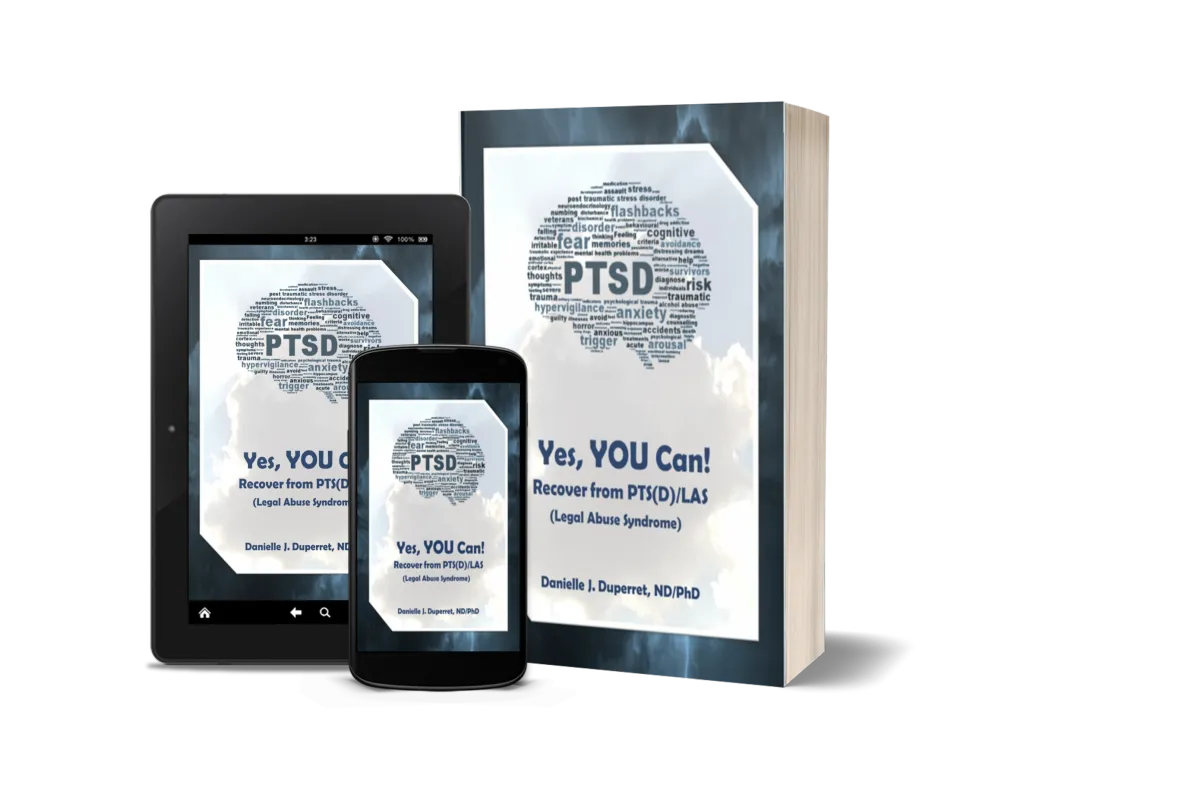
Yes, YOU Can Recover from PTSD/LAS is not about revisiting trauma.
It is about recovery after systemic injury.
The focus shifts from exposure to restoration.
Inside, the methods that carried this process from crisis to clarity are presented clearly and practically — body, mind, and nervous system. Each approach was tested through lived experience. Some worked immediately. Others only when nothing else did.
This book offers a path back to function, meaning, and stability after prolonged adversity.
Yes, YOU Can!
Recover from PTSD/LAS!
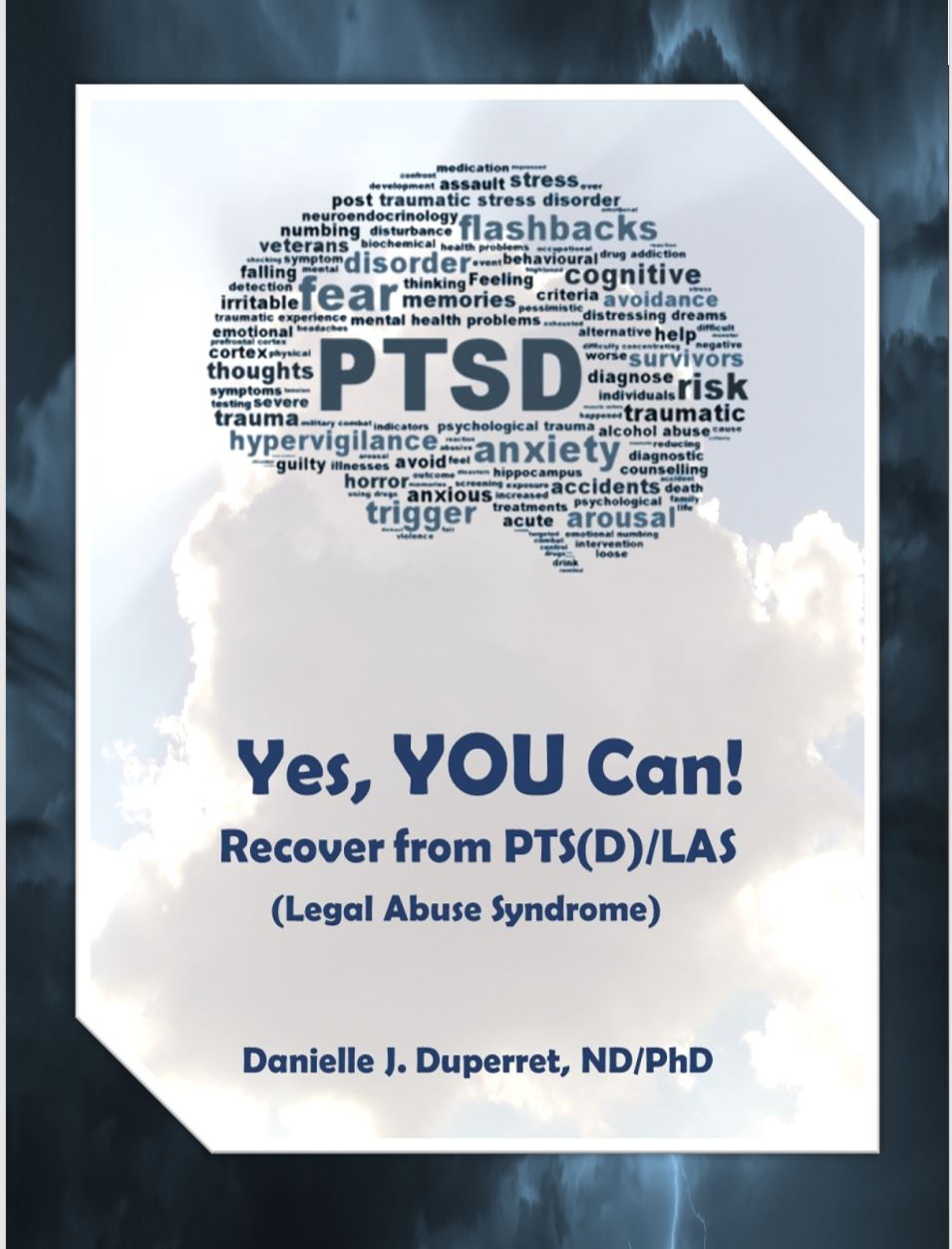
This book documents a transition from survival to recovery following C-PTSD and Legal Abuse Syndrome.
It demonstrates that stability and fulfillment are possible even after systemic failure — not through denial or forced positivity, but through structured, body-aware approaches.
The emphasis is on integration, not reliving.
Stabilizing the nervous system without re-traumatization
Differentiating PTSD, C-PTSD, and LAS
Working with nightmares and flashbacks safely
Releasing trauma held in the body through Energy Psychology and imagery
Recognizing physiological signals of resolution
Using self-hypnosis to support regulation and clarity
Understanding the role of biology, food, and stress
Separating facts from emotional charge.
Preventing unresolved trauma from manifesting physically
📖 143 pages | 14 chapters packed with actionable insights

Get the Navigation Tools Needed to Move Forward
Recovery after systemic trauma requires more than endurance.
It requires orientation, regulation, and practical tools.
The work presented here focuses on restoring internal stability and decision-making capacity after prolonged pressure — supporting a transition from survival to functional independence.
This approach emphasizes clarity over motivation, and structure over force.
45+ years of Training, Research and Experience

Decades of study, clinical training, and hands-on work informed the development of the 5 Keys for Transformation — a holistic framework addressing recovery at the levels of body, mind, and nervous system.
The emphasis is not dependency, but independent capacity:
the ability to regulate, respond, and rebuild without constant external intervention.
Health, in this context, is not merely the absence of symptoms —
it is restored function, stability, and agency.
Understanding Legal Abuse and the ADAAA
(Educational Video Library)
Private consultations are available
on a limited basis
Training, Certifications
Connect With Me



Copyright
© Danielle J. Duperret,
2020-2025
All Rights Reserved